CYFEST 17 Video Screening Program: Land of Memories, 2026
CYFEST 17 Natura Naturans: Human Beings, Nature, Landscape.
Video Program “Reimagine the Landscape / Data Traces / Land of Memories”
3 program screenings
curated by Victoria Ilyushkina
19 December, 7:00 PM
“Land of Memories”
Land of Memories turns from external landscapes toward inner and imagined ones. Animation becomes a way of mapping memory, psychological transition, altered states of perception, and possible futures. Across the program, fixed realities dissolve: documentary experience meets speculation, human perception encounters non-human perspectives, and personal memory becomes inseparable from constructed and imagined worlds.
Together, the works suggest that in a world shaped by ecological crisis and an overwhelming circulation of information, reality can no longer be understood as stable or singular. Organic life, physical environments, memory, and computational systems remain in constant transformation.
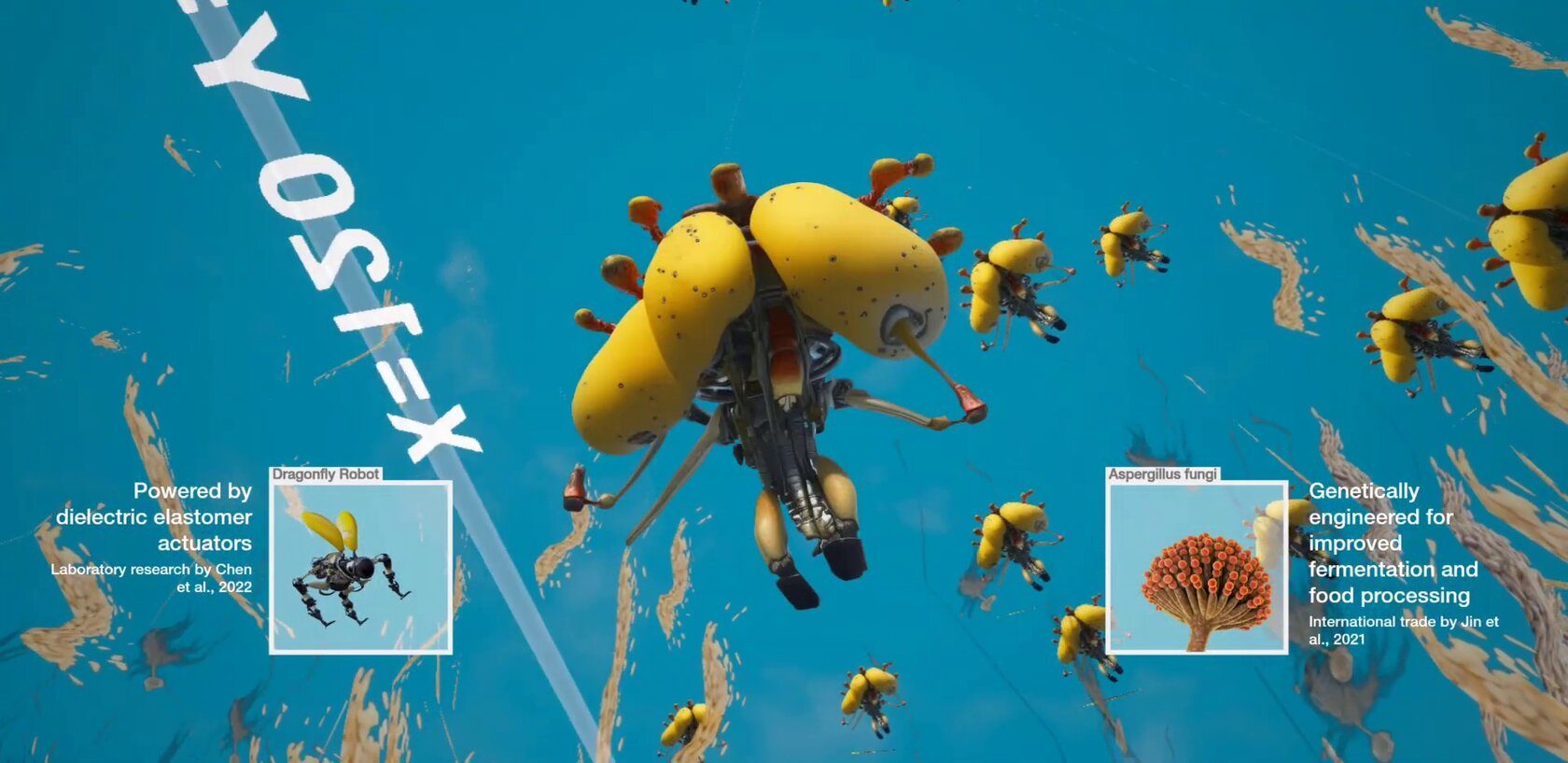
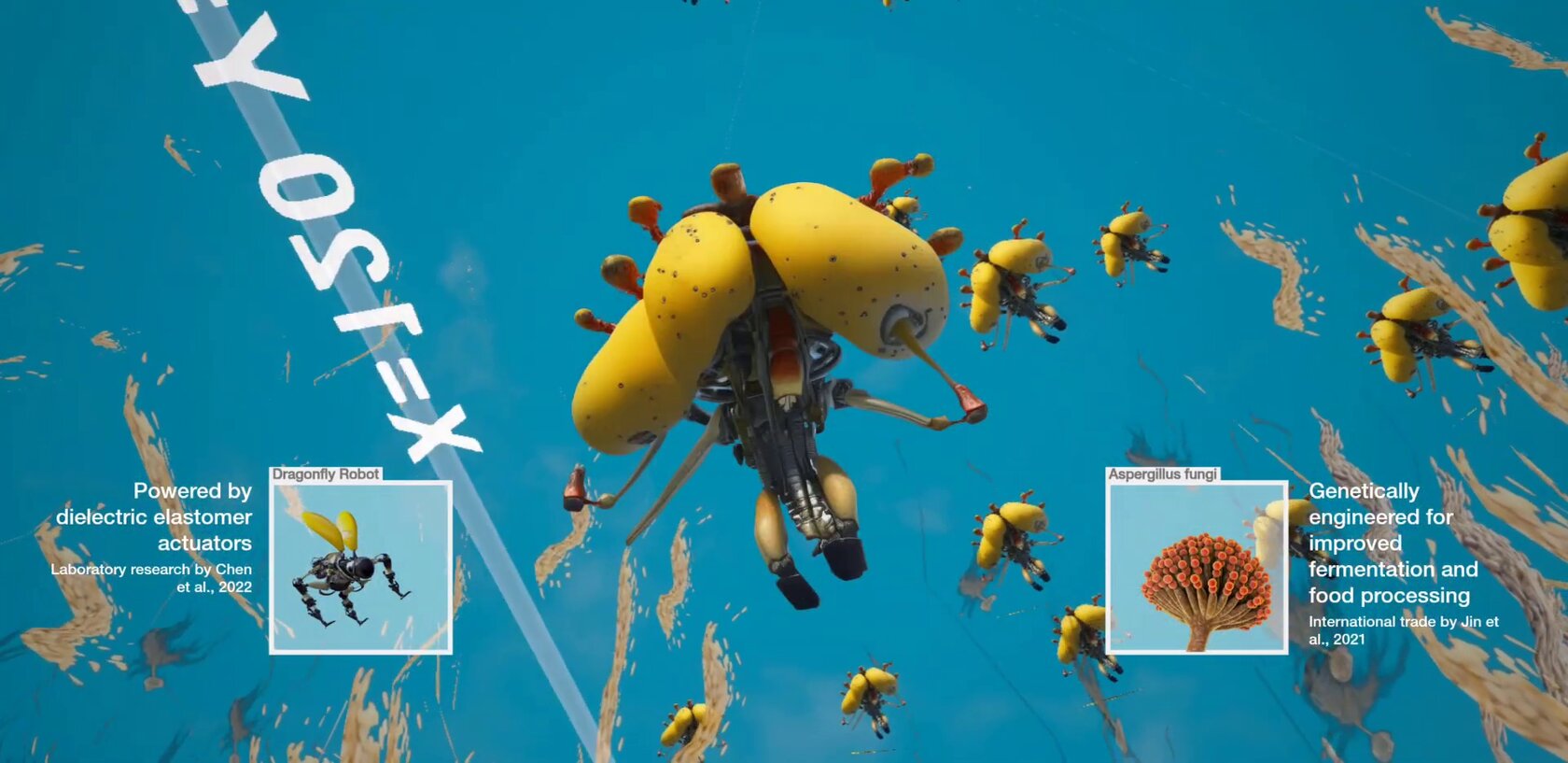
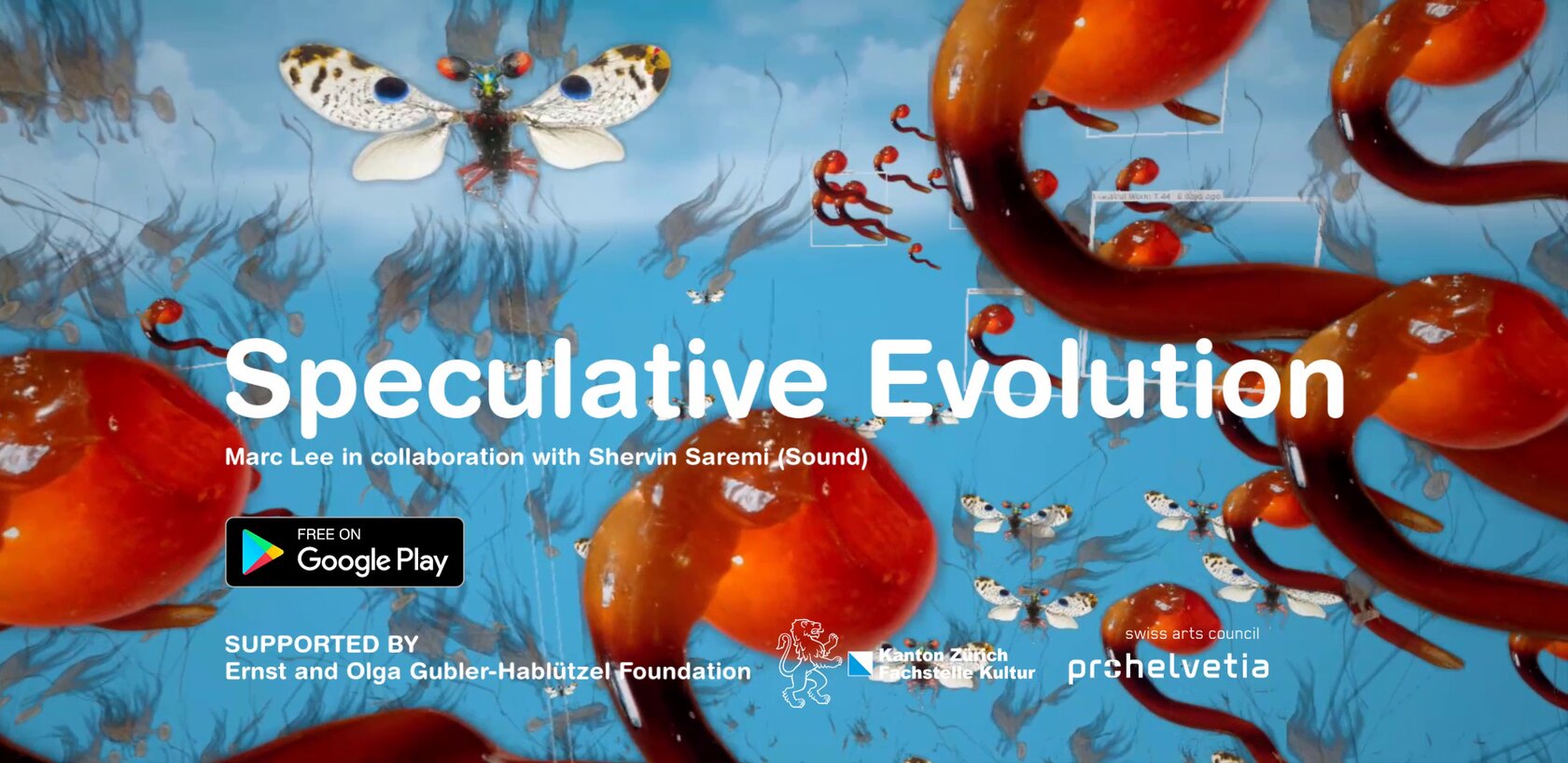
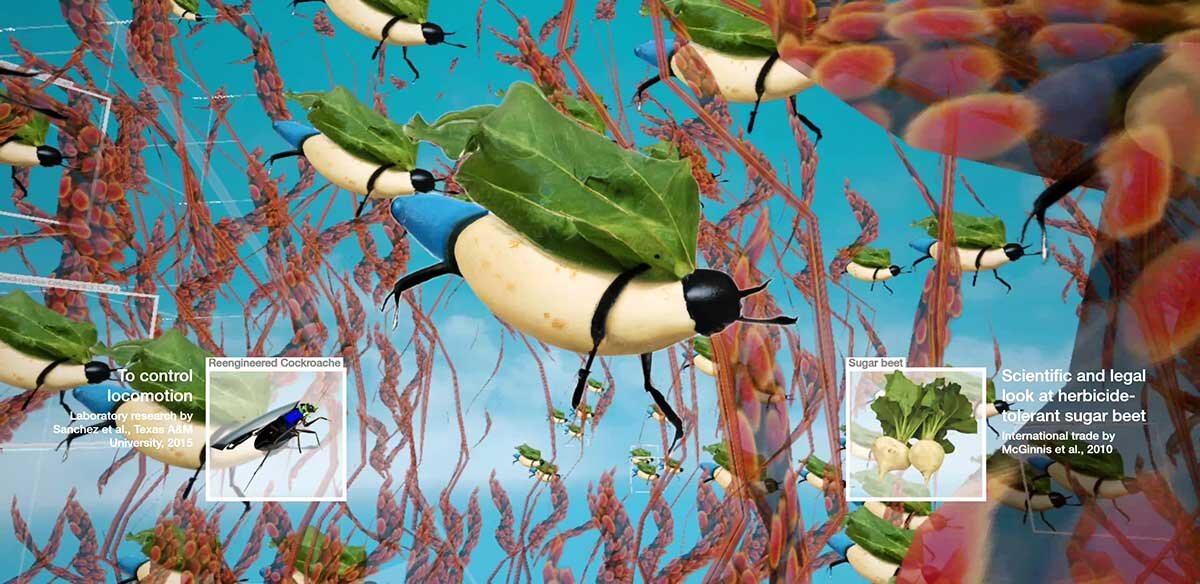
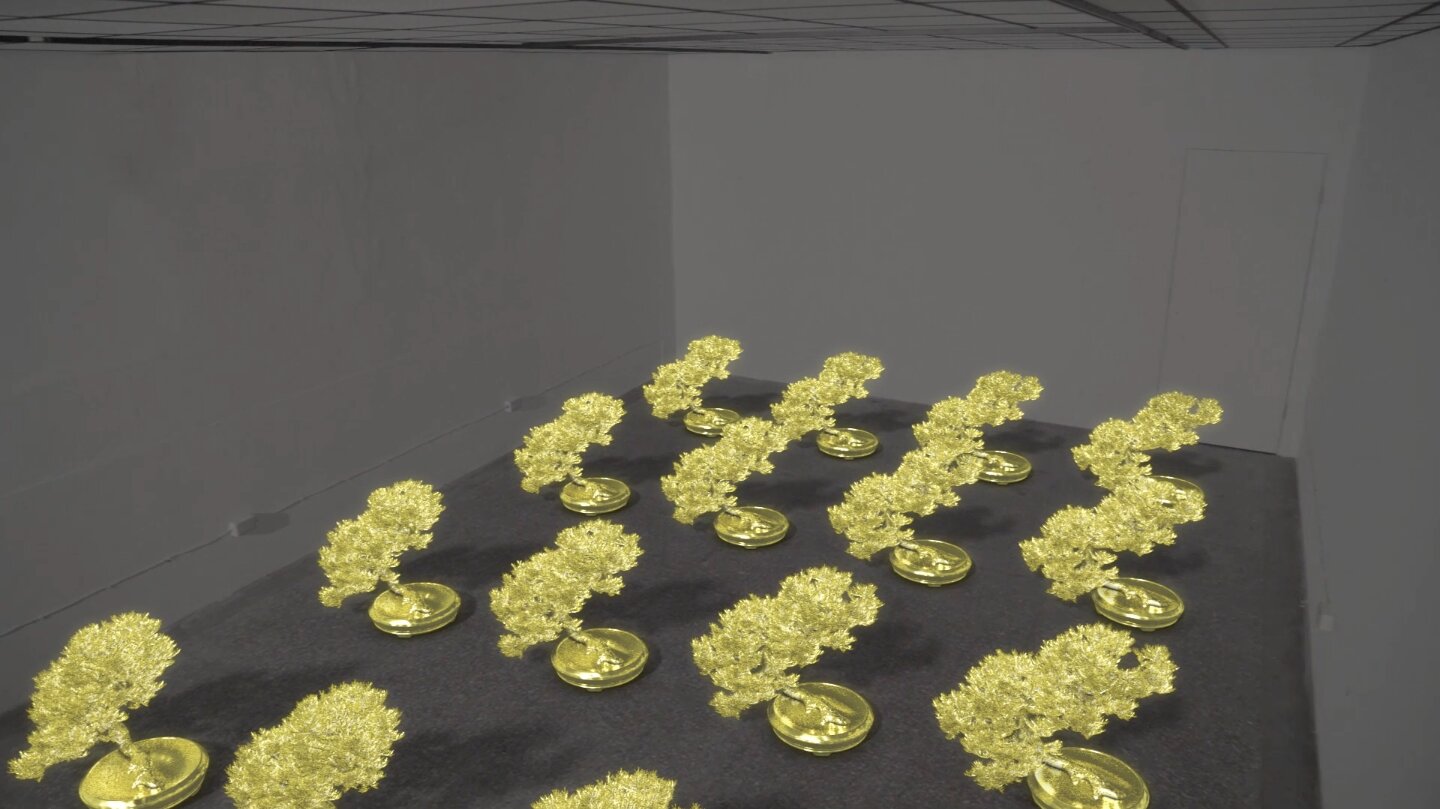
Marc Lee’s “Hi, AI agents! Create new chimeras based on scientific publications such as genetics and robotics” uses AI and the mobile app “Speculative Evolution” to generate entirely new lifeforms — chimeras that combine traits from animals, plants, fungi and robots, drawing on 3D printing, CRISPR and genetic engineering, to predict how they could balance our ecosystem and improve biodiversity, sustainability, health and resilience.
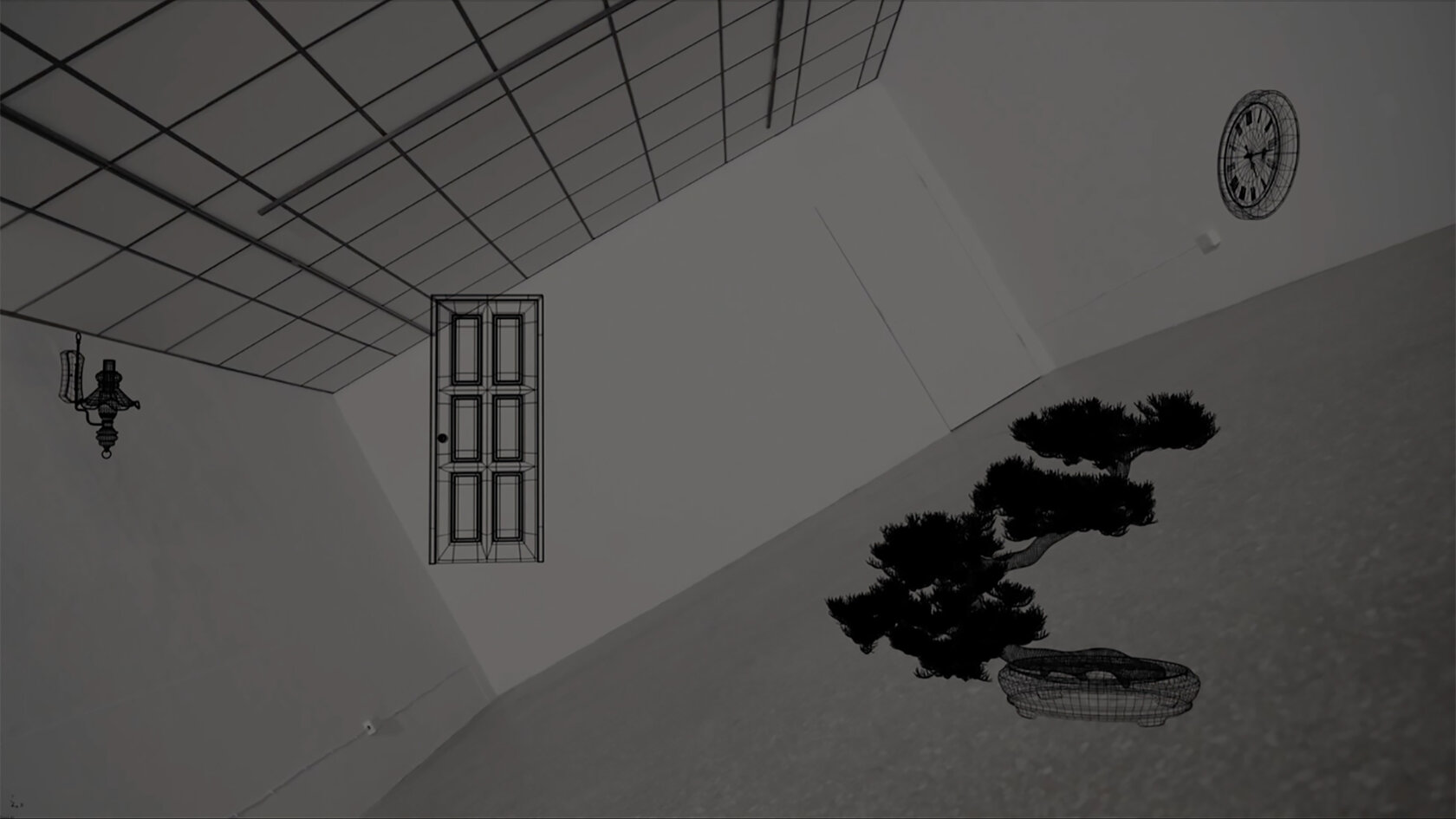
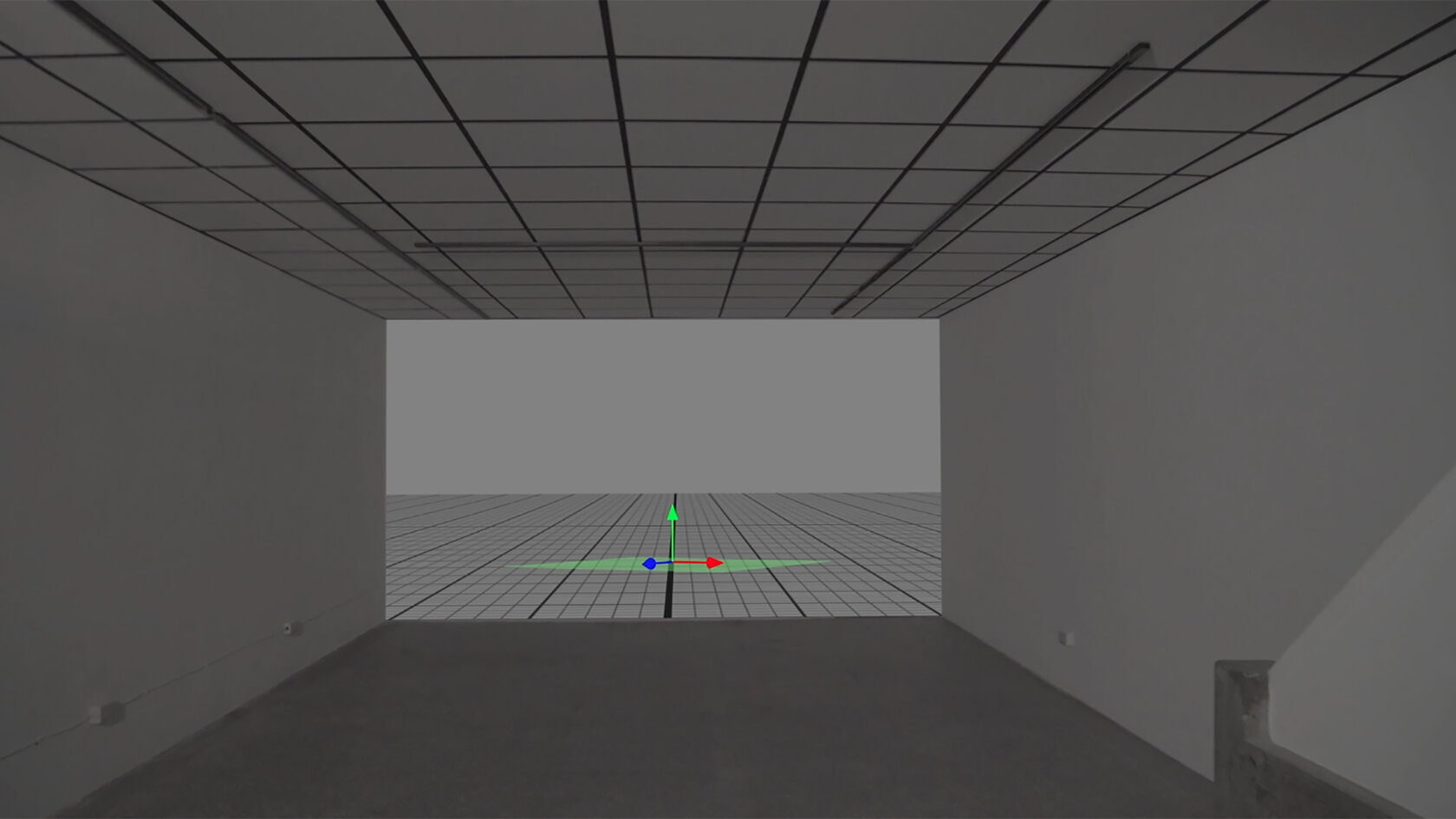
Lin Yen-Ju’s “0” explores space as a perceptual interface that destabilizes reality, foregrounds the tension between corporeality and abstraction, using dreamlike animation to construct a “liminal field” where the self dissolves into spatial illusion, treating reality itself as a constructed, animated projection of cognition.
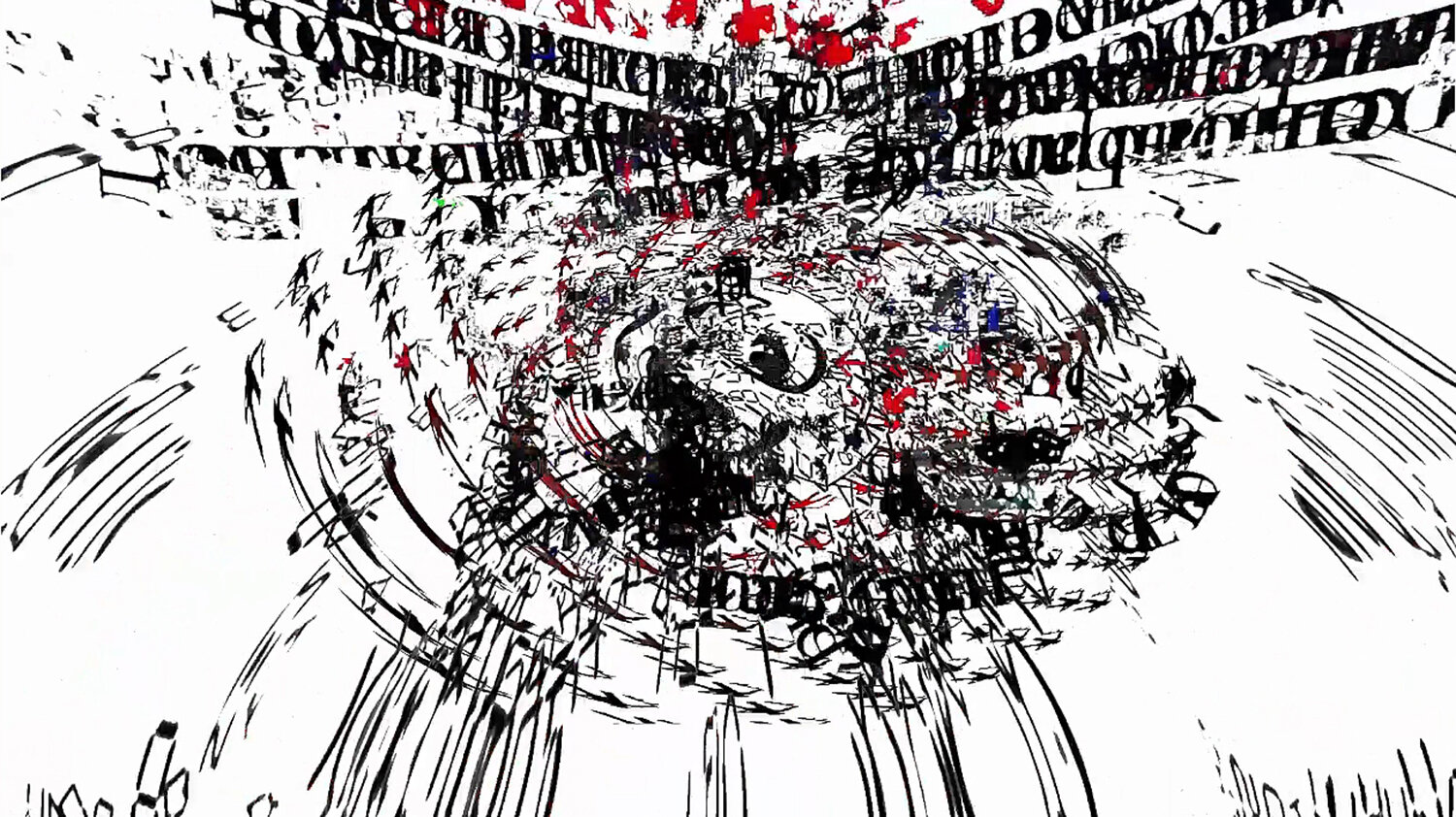
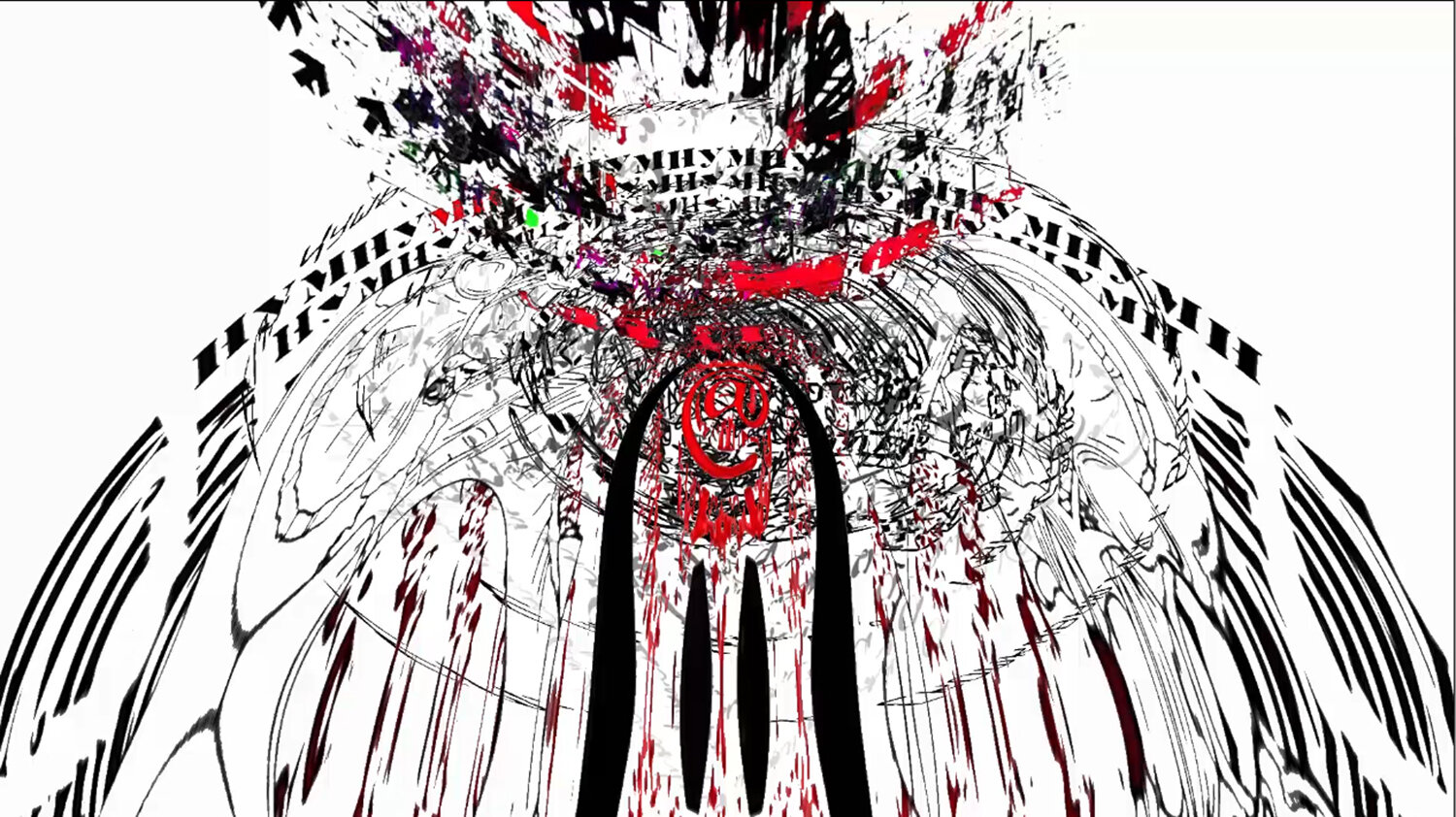
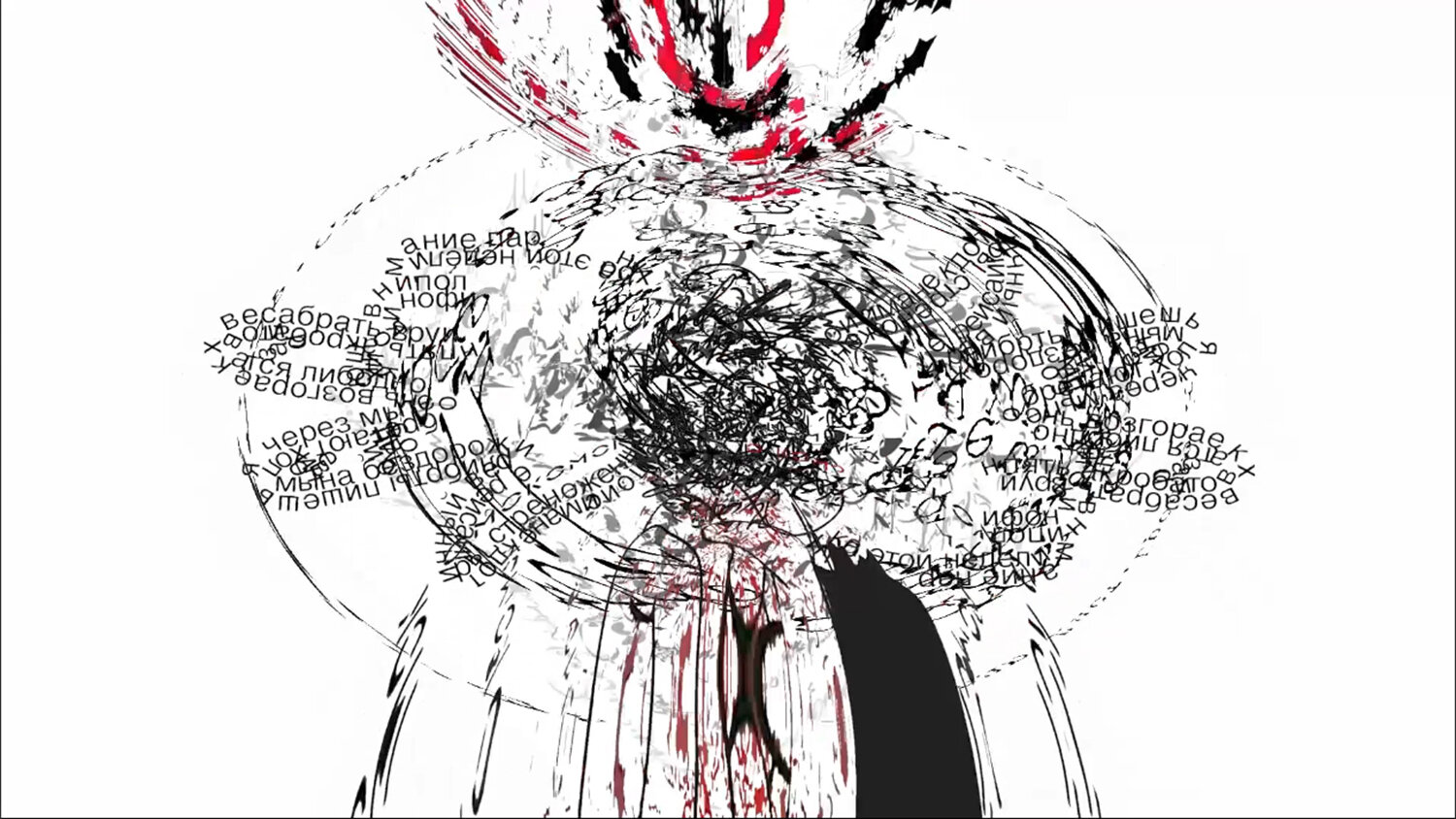
In the video poem “Swarm,” Edward Kulemin translates swarm intelligence (a definition from biology and bionics) into moving ideographic and asemic texts and a soundtrack. The animation here simulates the distributed, decentralized consciousness of a hive, reducing the human perspective to a collective, insect-like visual language
Sid Iandovka’s “(e)scape goat” lets the work take place on its own terms, unsteady and strange, untethered to familiar, predictable, habitual orders of media perception or consumption. The lightest touch, almost leaving the image alone, introduces unexpected pluralities, sensory and evidentiary traces, potentialities, displacing rather than grounding the image, bringing about new forms of visualization, new possible worlds.
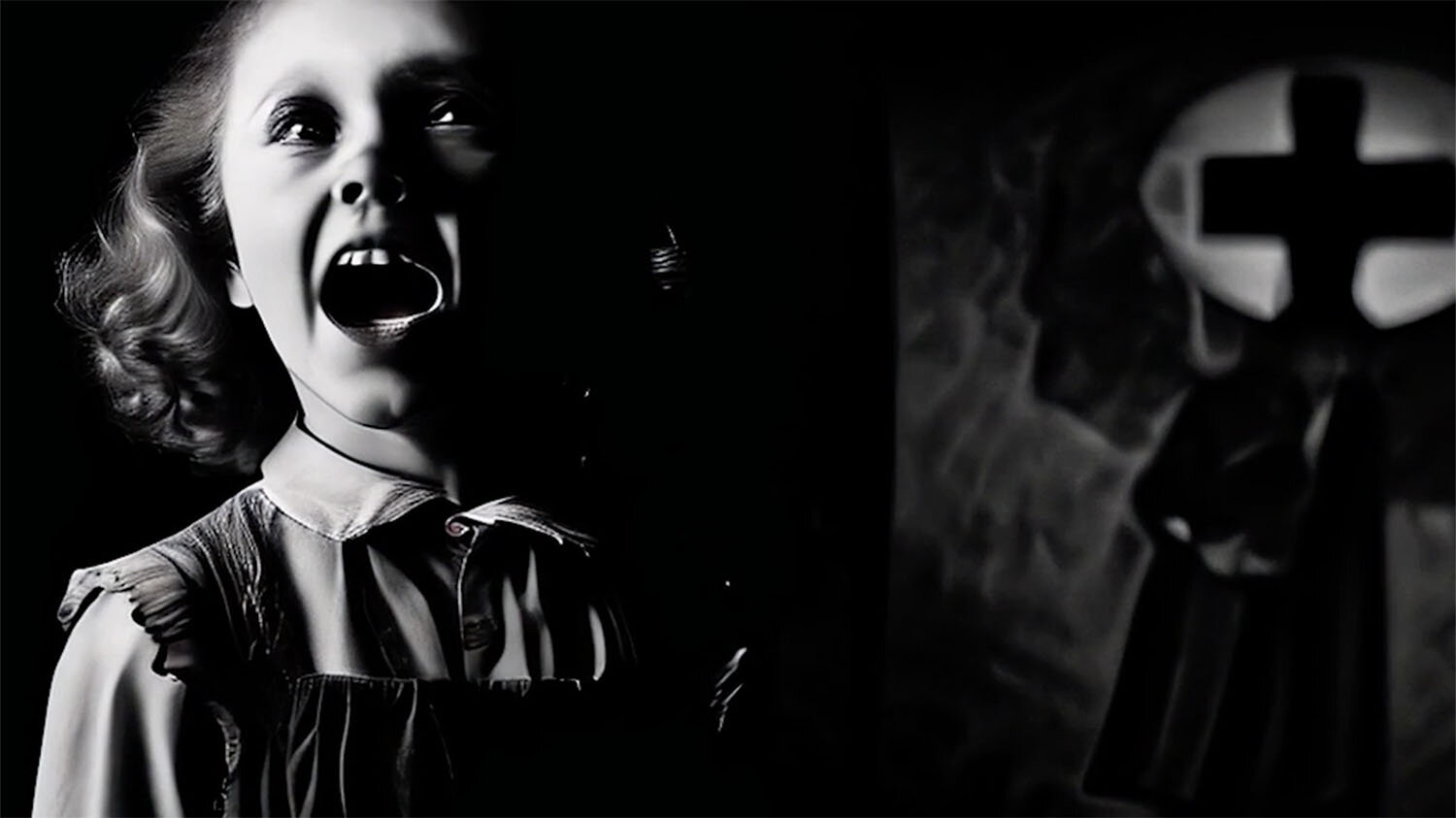
Ellen Pearlman’s “Brenda” integrated into algorithmic representations of human memory. Artistic representations of individualized memories use processes paralleling recent research in neurophysiological models of spatial and cognitive memory mapping, indicating an emerging synthesis and co-opting of human memory using “biomimetic” algorithmic modeling. The video Brenda shows mimicked algorithmic interpretations of seminal individualized human memories coupled with linguistic fragments as a soundtrack.
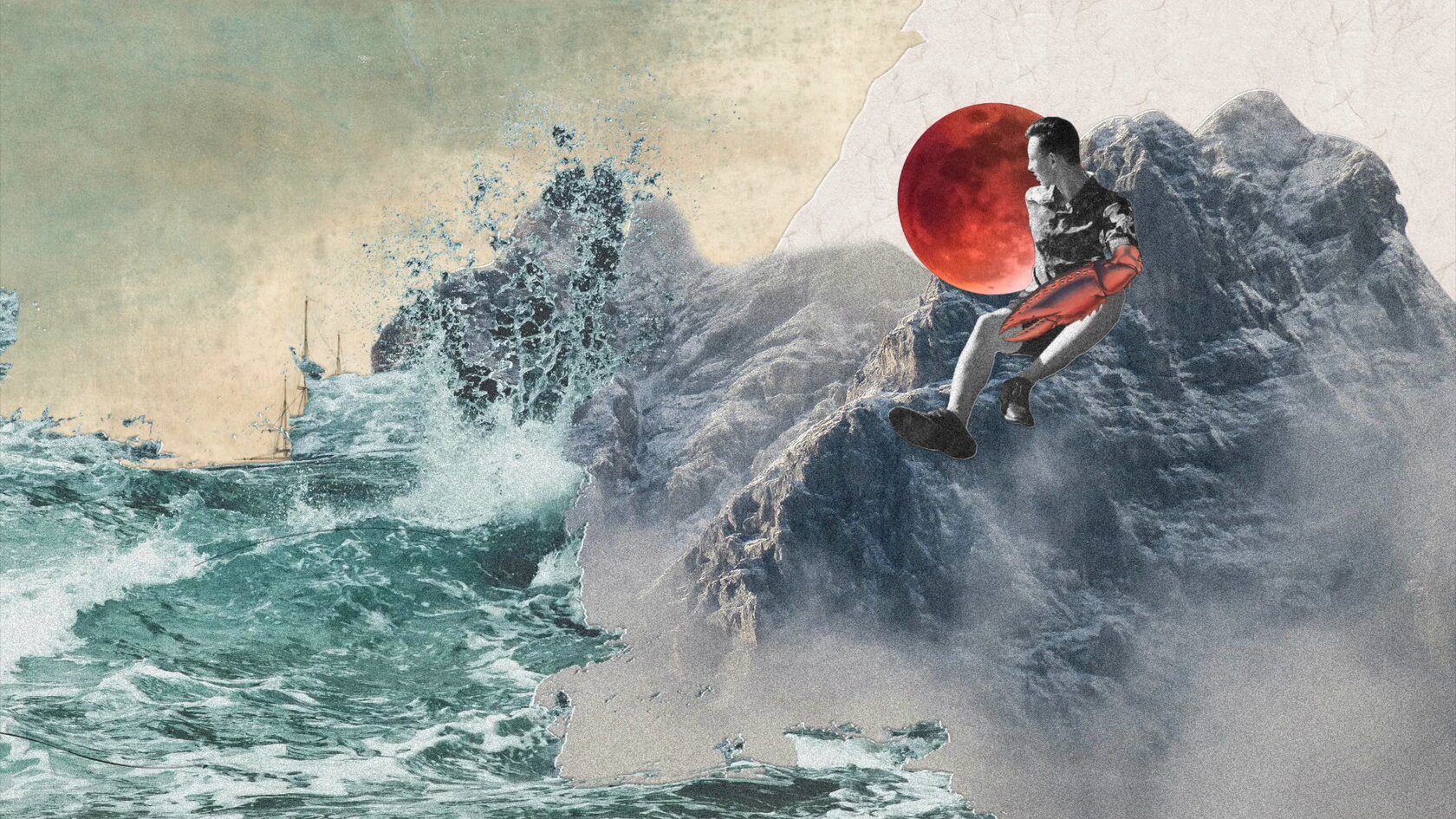
Ani Chopuryan’s “The Weight of Becoming” creates animated collage (fragments of bodies, landscapes, paintings) to visualize the “fragile space” between past and future selves. The landscape is not a forest or a city; it is the terrain of psychological transition.
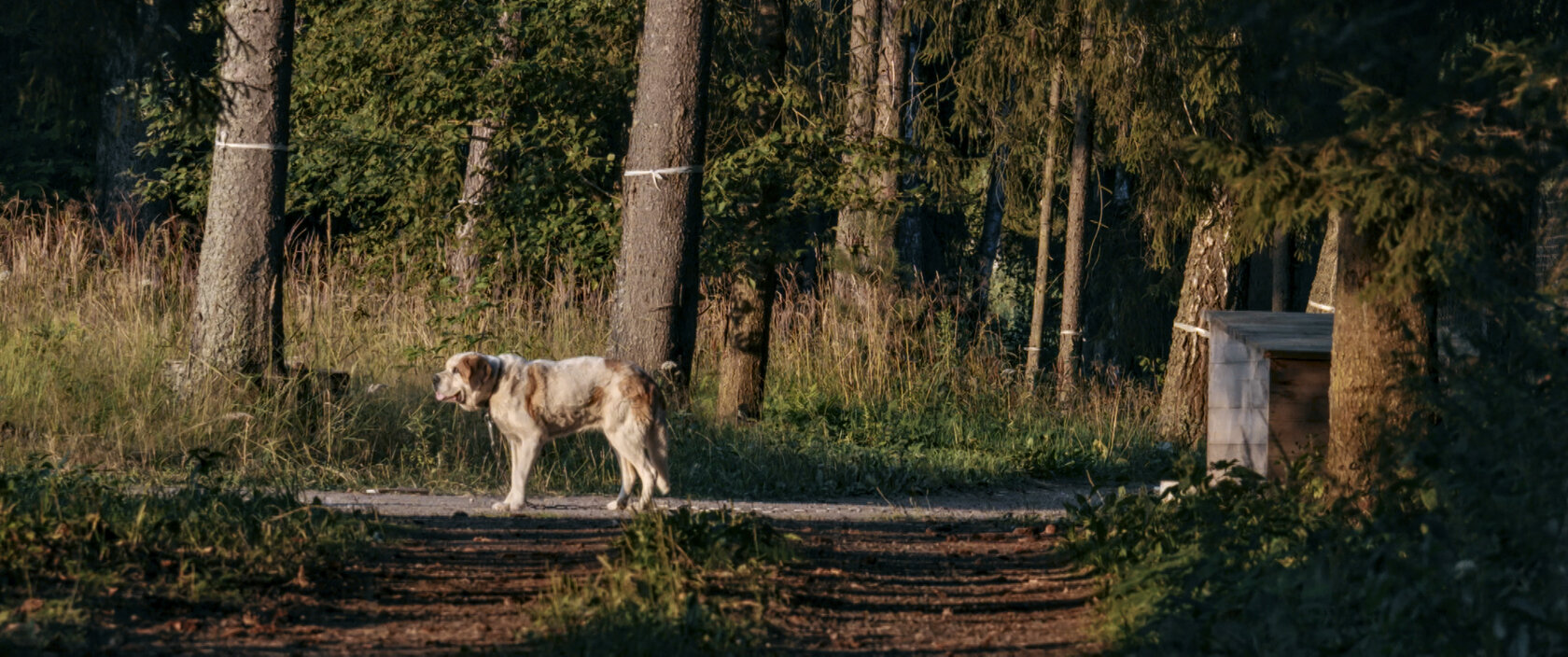
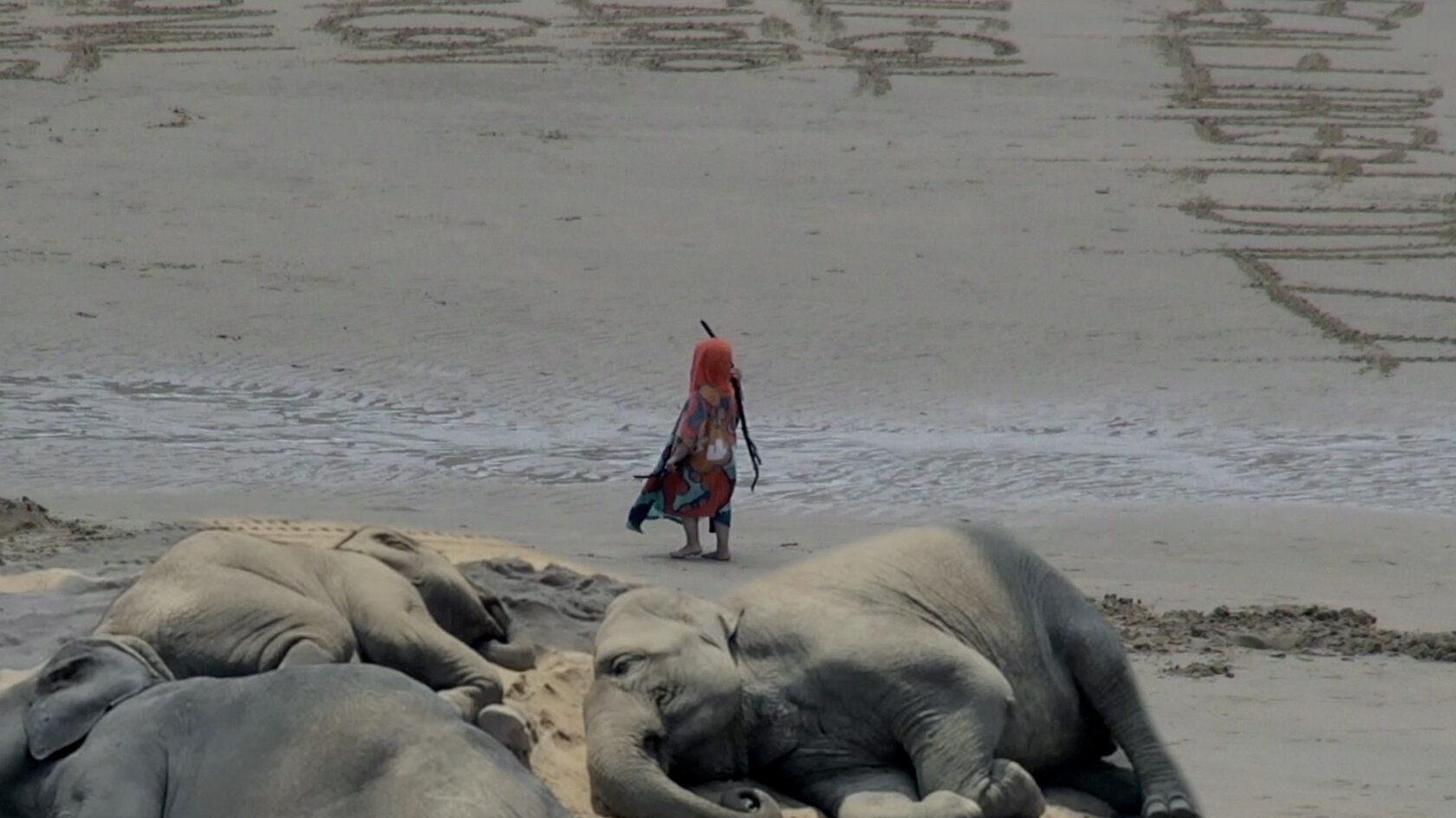
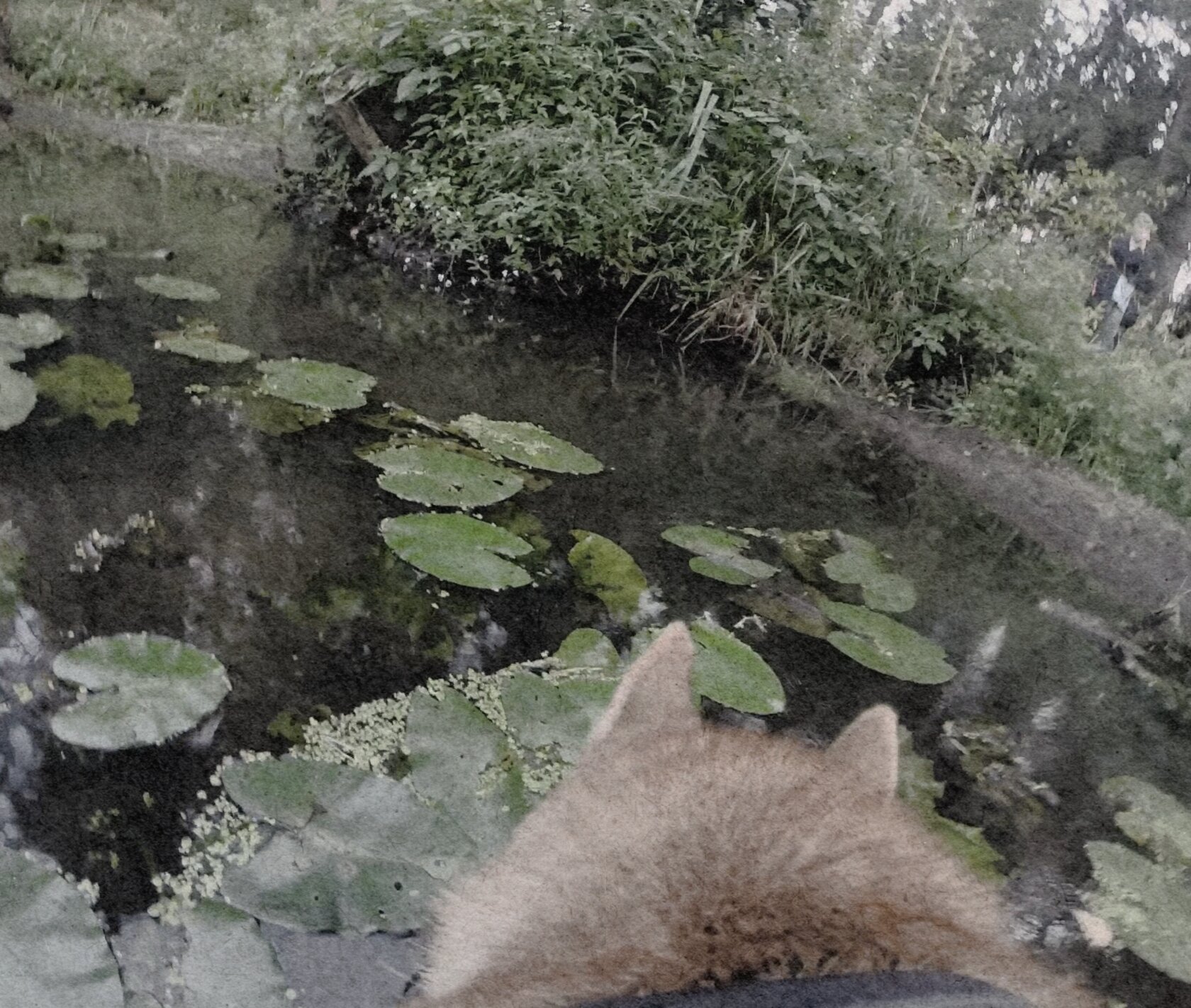
Yanina Chernykh’s “The Nivkhs” physically attaches a camera to a dog, using the animal’s movement to generate the cinematic image. The “animation” of the frame, its rhythm and motion, is determined by a non-human actor, blurring documentation and mythology through a distinctly embodied, four-legged perspective.
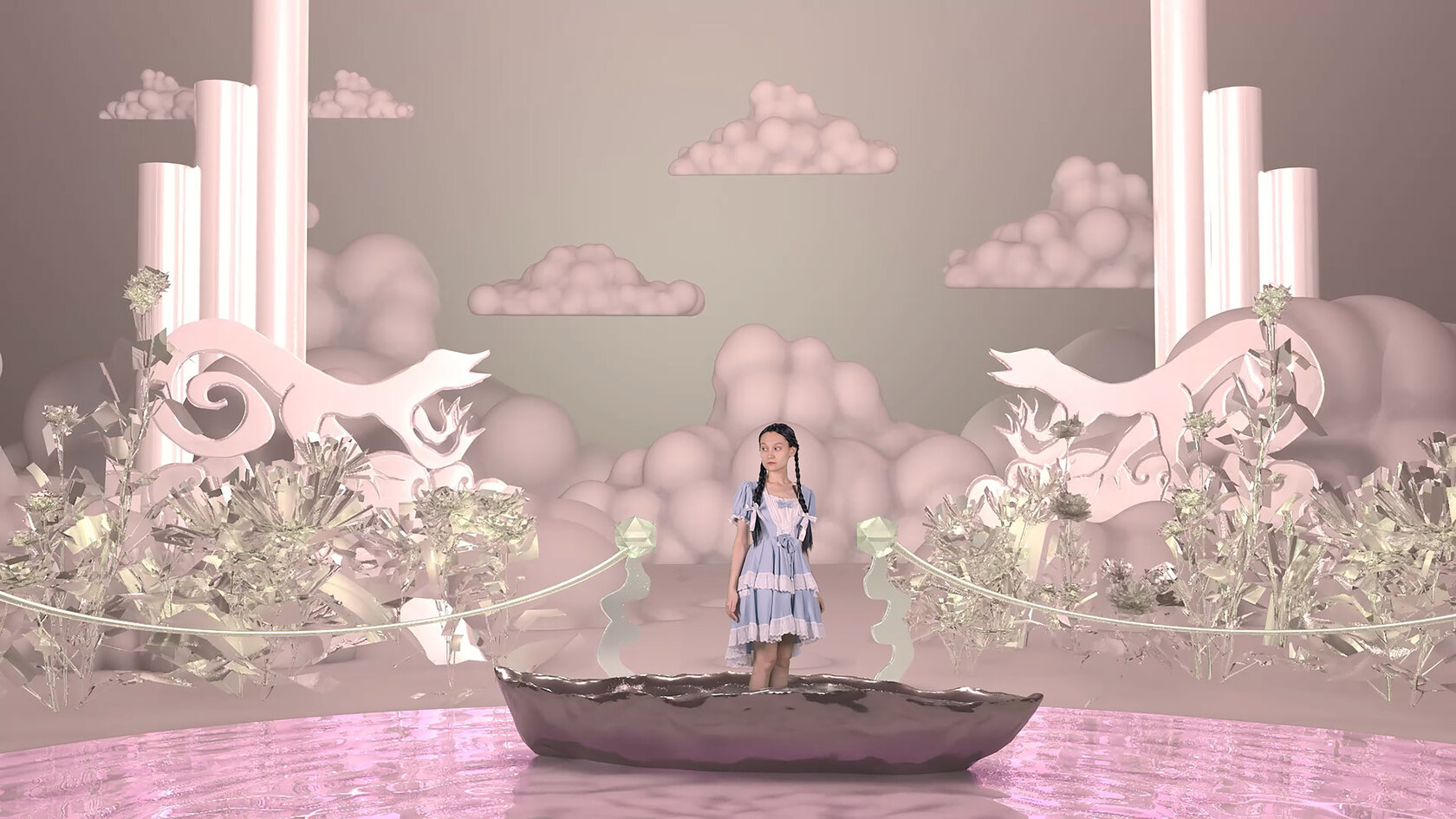
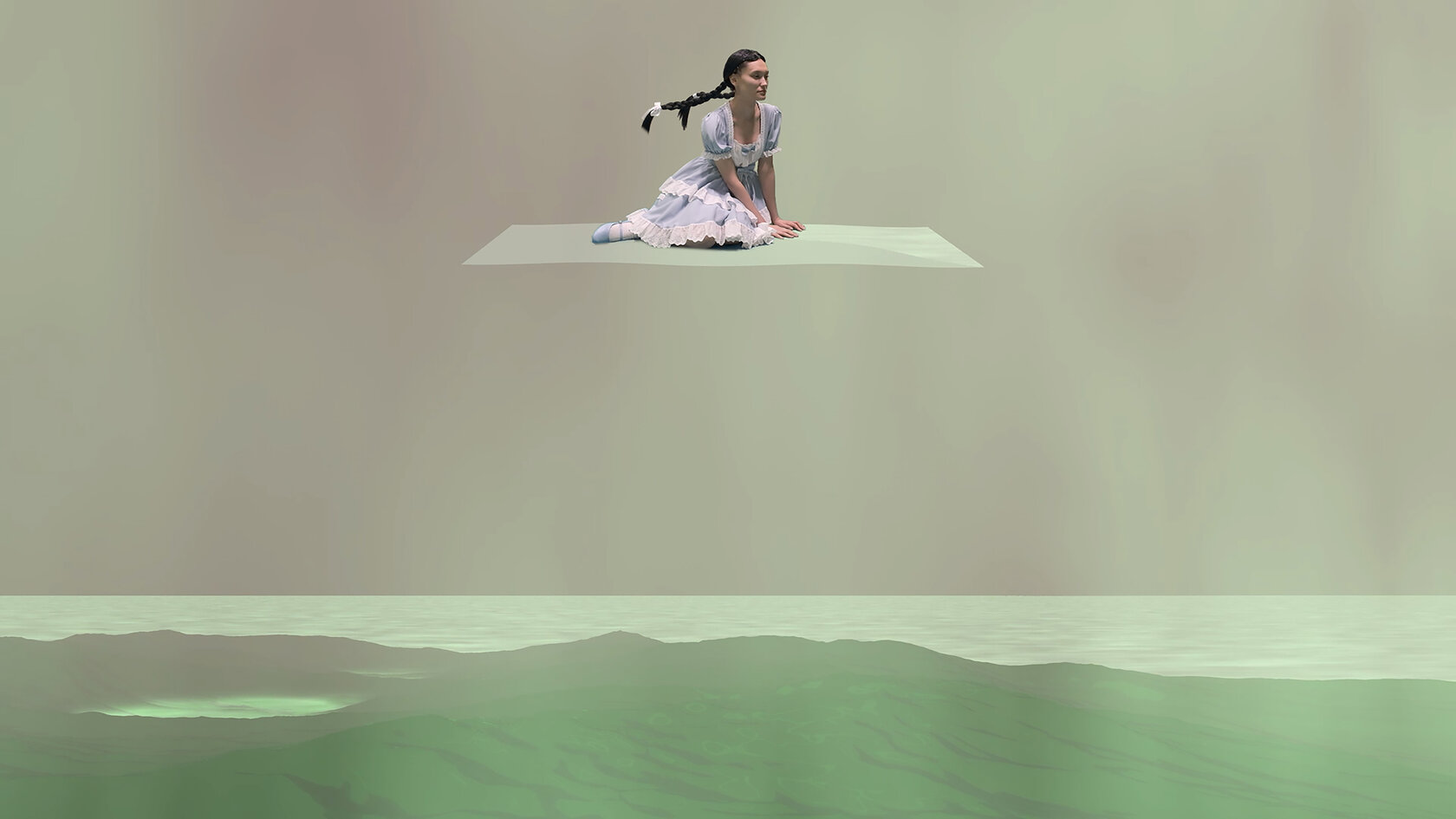
Diana Kapizova’s “There, over the rainbow…” animates the pink skies and rivers of her industrial hometown, blending childhood memories of The Wizard of Oz with ecological reality. Animation allows the physical landscape of Pervouralsk to become a magical, melancholic, and deeply personal narrative space, rather than an objective data-point.
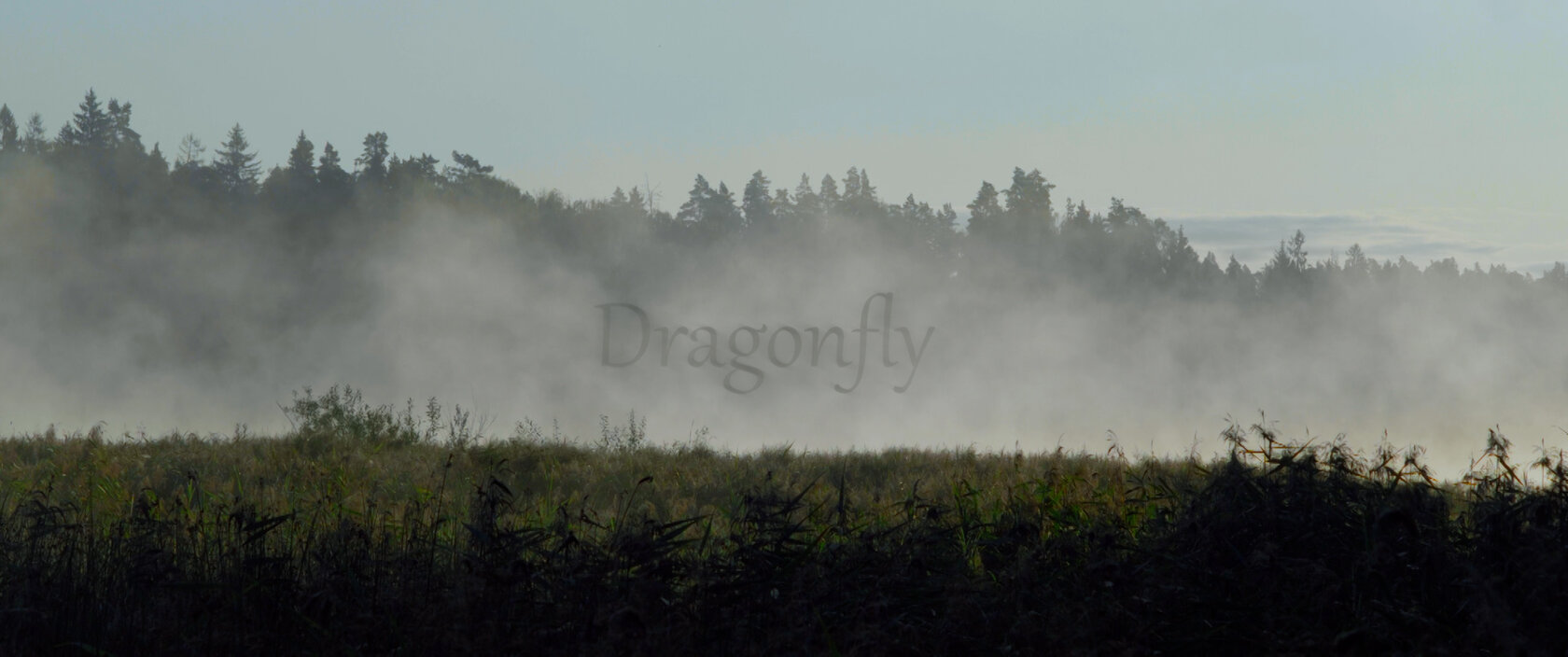
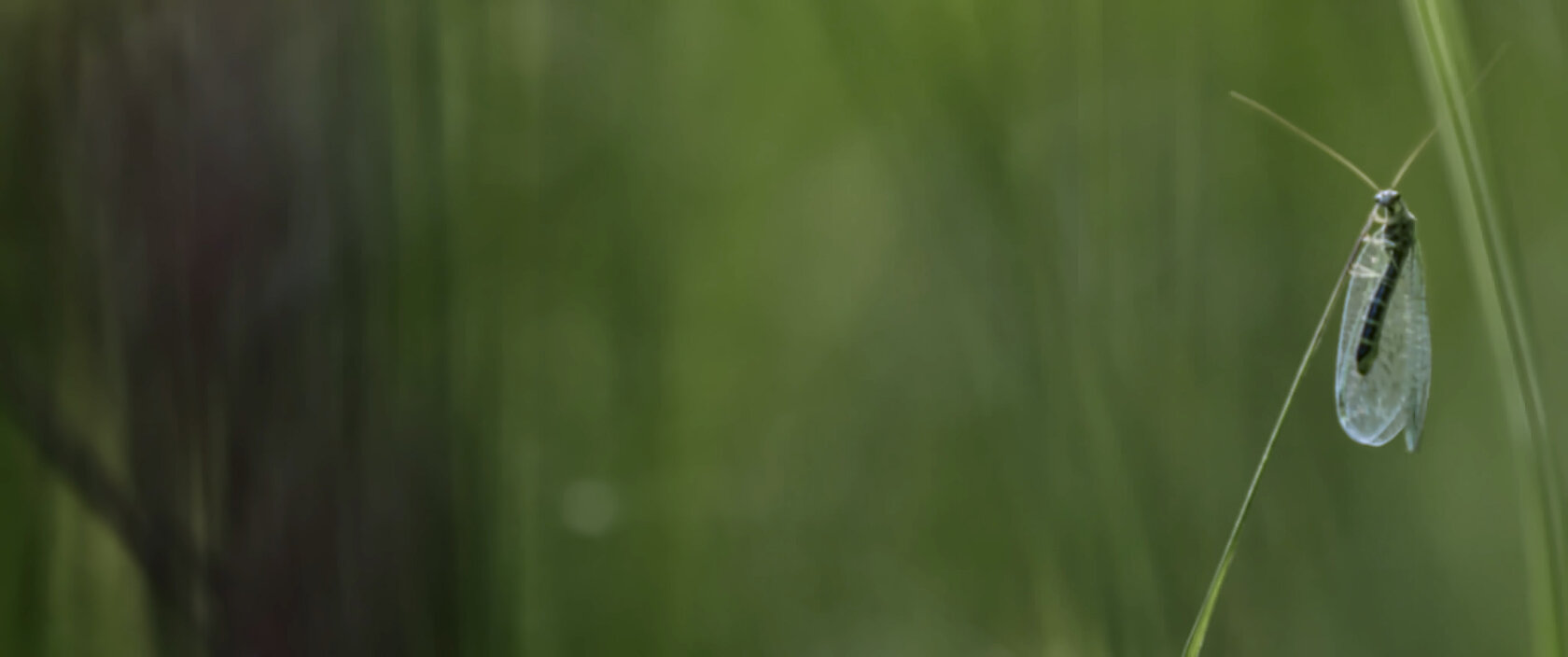
Arman Ayvazyan’s “Dragonfly” creates deep visual poetry and unique editing to trace the ripples of an unnoticed sacrifice through time and cosmos, treating animation as a philosophical inquiry into causality and light, far removed from data-driven documentation.
Places
Cafesjian Center for the Arts
Special Events Auditorium
10 Tamanyan Street, Yerevan 0009, Armenia
Artists
This video was captured from the mobile app «Speculative Evolution» with the prompts: “Hi, AI agents! Create new chimeras based on scientific publications such as robotics, 3D printing, CRISPR and genetic engineering, to help balance our ecosystem and improve its biodiversity, sustainability, health and resilience. AI agents, evolve new forms of life that can thrive where nature once set limits.” «Speculative Evolution» is a mobile app that allows users to create new chimeras by combining traits from animals, plants, fungi and robots. The app uses AI to generate these chimeras and to predict how they could balance our ecosystem and improve biodiversity, sustainability, health and resilience.
Bio: Marc Lee is a Swiss artist. He is experimenting with information and communication technologies and, within his contemporary art practice, he reflects critically on creative, cultural, social, ecological and political aspects. In this context he creates network-oriented interactive art projects: interactive installations, media art, internet art, performance art, video art, augmented reality (AR) art, virtual reality (VR) art and mobile art apps. His works are exhibited in major museums and new media art exhibitions including ZKM Karlsruhe, New Museum New York, Transmediale Berlin, Ars Electronica Linz, HMKV Dortmund, HEK Basel, Fotomuseum Winterthur, Read_Me Festival Moscow, CeC Delhi, MoMA Shanghai, ICC Tokyo, Nam June Paik Art Center, Media Art Biennale and MMCA Seoul. He lectures, teaches and holds workshops about art and software art at many schools, including the China Academy of Art (CAA) Hangzhou, Strelka Moscow, Shanghai Institute of Visual Art (SIVA), the National Museum of Modern and Contemporary Art (MMCA) Seoul and ZHdK Zurich. He has won many prizes and honorary mentions at international festivals, including the “Interaction” and “Software” Awards at Transmediale Berlin and the Social-Media-Art-Award at Phaenomenale Wolfsburg. His art projects are in private and public collections such as the Swiss Confederation Federal Art Collection Bern, HEK Basel, Fotomuseum Winterthur and ZKM Karlsruhe.
This work explores space as a perceptual interface that destabilizes reality. It constructs a liminal field where materiality and virtuality intersect, inviting the viewer to traverse multiple dimensions. Through dreamlike imagery and embodied perception, the self becomes both subject and projection, dissolving into spatial illusion. The work foregrounds the tension between corporeality and abstraction, where vision produces both surreal affect and a sense of dehumanization. Ultimately, it reflects on how space mediates cognition, revealing reality as a constructed image and experience as a process of continuous interpretation across dimensions.
Bio: Lin Yen-Ju is a Taiwanese artist and researcher based in Taipei. Her practice spans new media art, moving image, installation, and painting, exploring the intersections of digital media and the physical world. Her work investigates the relationships between information, perception, technology, and contemporary visual culture, with a particular interest in how technological systems mediate human experience and shape our understanding of reality. Her works have been presented internationally at Ars Electronica Festival in Austria, Instants Vidéo in France, Ambika P3 in the United Kingdom, and across Europe, Asia, and the United States.
In the video poem «Swarm» the author interprets the concept of «swarm intelligence», which is used in biology, sociology, and bionics. This includes collective behaviour of communities, management of information systems, and swarm programming. Swarm intelligence systems consist of multiple agents interacting locally with each other and with the environment; ideas of collective behaviour, as a rule, come from nature. In the video poem «Swarm», ideographic images, asemic writings, and iconic-symbolic structures are transformed to a soundtrack mixed from the buzzing of swarming insects, the hum of birds, the humming of drones, and other sounds.
Bio: Edward Kulemin (b. 1960) is a multimedia artist, the author and curator of many personal and collective art projects, and the inspirer and organizer of various communication creative communities (KEPNOS, a group of unknown artists, the Association of Damned Poets, Studio of Total Creativity, and others). He has taken part in more than 150 exhibitions and many festivals, and is the author of the books «It seems to have begun» (1994), «Odnohujstvenny Ulysses» (1995), «By the artificial way» (1998), «Multimatum» (2002), «Lowdown» (2012) and «Cash register poems» (2018).
(e)scape goat lets the work take place on its own terms, unsteady and strange, untethered to familiar, predictable, habitual orders of media perception or consumption. The lightest touch, almost leaving the image alone, introduces unexpected pluralities, sensory and evidentiary traces, potentialities, displacing rather than grounding the image, bringing about new forms of visualization, new possible worlds.
Bio: Sid Iandovka is a visual artist and musician, originally from Novosibirsk, lives in NY. His work has developed independently, produced entirely outside institutional structures, and spans moving image, sound, and new media. His films have been presented at festivals including the International Film Festival Rotterdam, Viennale, Berwick Film & Media Arts Festival, Courtisane and the International Short Film Festival Oberhausen, among others.
How do memory and identity form in living entities, and how are these processes being integrated into algorithmic representations of human memory? Artificial intelligence image processing relies on text prompts coupled with algorithmic latent space to render synthetic visual representations. How do meaning and context arise from this latent space? Do humans have their own biological version of latent space memories? Artistic representations of individualized memories use processes paralleling recent research in neurophysiological models of spatial and cognitive memory mapping, indicating an emerging synthesis and co-opting of human memory using “biomimetic” algorithmic modeling. The video Brenda shows mimicked algorithmic interpretations of seminal individualized human memories coupled with linguistic fragments as a soundtrack.
Bio: Ellen Pearlman is a Research Affiliate at NYU Tandon School of Engineering and a New York based media artist, curator, and educator. She was awarded a three-year grant by the German Culture Foundation to work on a new AI opera, “The System Cannot Fail”. A New Works Grantee at Harvestworks in New York, she has presented at Ars Electronica, was a Lumen Prize selection in AI Moving Images, a Research Fellow at MIT, a Fulbright Scholar at the University of Warsaw, a three-time Fulbright World Learning Specialist in Art, New Media and Technology, an EU Vertigo STARTS Laureate and a Zero1 American Arts Incubator / U.S. State Department cultural envoy to Kyiv. She premiered “Noor — A Brainwave Opera” (2016), the world’s first interactive immersive brainwave opera in a 360-degree theatre; “ABIO”, the world’s first emotionally intelligent artificial intelligence brainwave opera (2019/20), premiered at the Estonian Academy of Music in Tallinn; and “Language Is Leaving Me” (2023), the world’s first AI cinematic opera of the skin, premiered at the Copernicus Art/Science Festival in Warsaw. She has been a frequent participant of CYFEST since 2007.
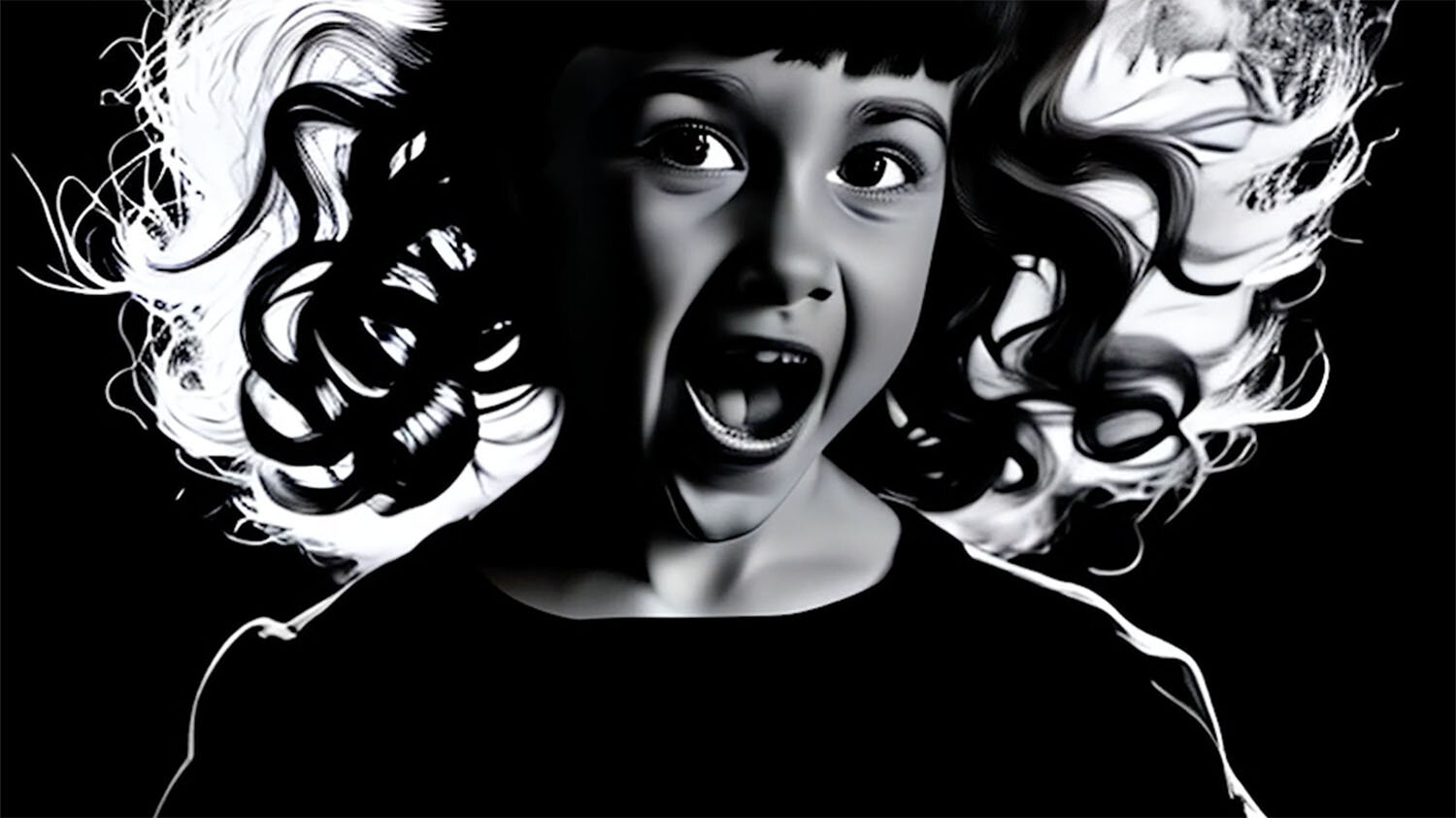
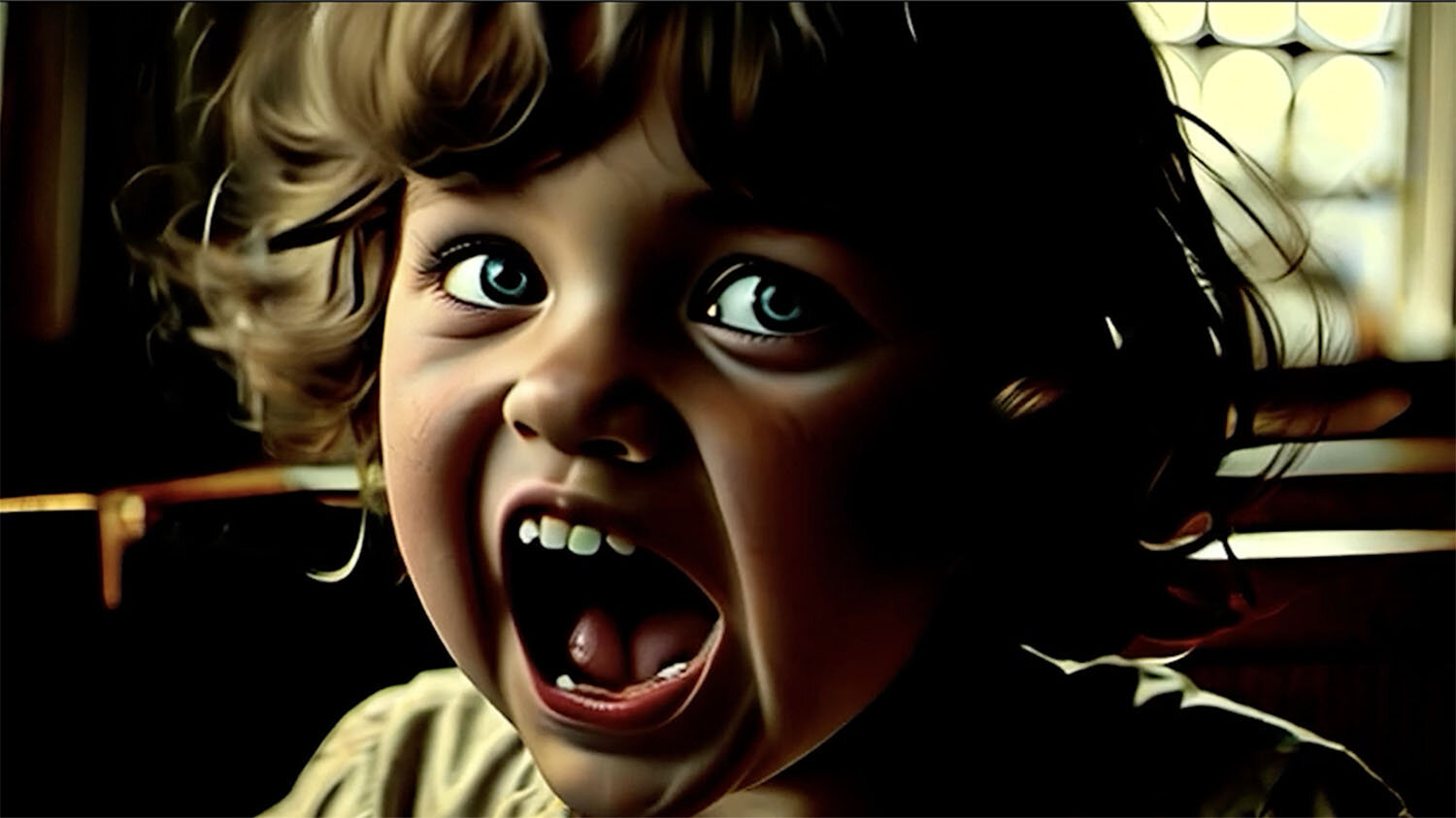
Somewhere between memory and waking life, a figure moves through a world that no longer obeys the rules of reality. Birds become witnesses. The sea remembers. A distant planet hangs above everything like an old thought that refuses to disappear. Fragments of bodies, paintings, landscapes and forgotten images collide — not as decoration, but as pieces of a life trying to reconstruct itself. The work is about becoming: the quiet violence of changing into someone you do not yet recognise. There is a moment when we realise that the person we were has already disappeared, while the person we are becoming has not arrived yet. We exist in that fragile space between the two — beautiful, uncertain, suspended. This video is a journey through that space. It asks: what remains of us when memory, identity and reality begin to dissolve? Perhaps the answer is not a person. Perhaps it is the movement itself.
Bio: Ani Chopuryan is an Armenian multidisciplinary artist and creative director based in Yerevan. Working across painting, mixed media, digital art, fashion and visual design, her practice explores identity, cultural memory, femininity, contemporary Armenian life and the relationship between tradition and modernity. Her work combines expressive imagery with experimental materials, often transforming everyday objects, vintage elements and cultural references into contemporary visual narratives. She is the co-founder and creative director of ArtKvartal, an independent contemporary art and cultural space in Yerevan, and the founder of Bazaar, a sustainable fashion and wearable-art project focused on upcycling vintage garments. She studied Cultural Studies at Yerevan State University and has taken part in artistic and cultural projects and exhibitions across Europe and internationally.
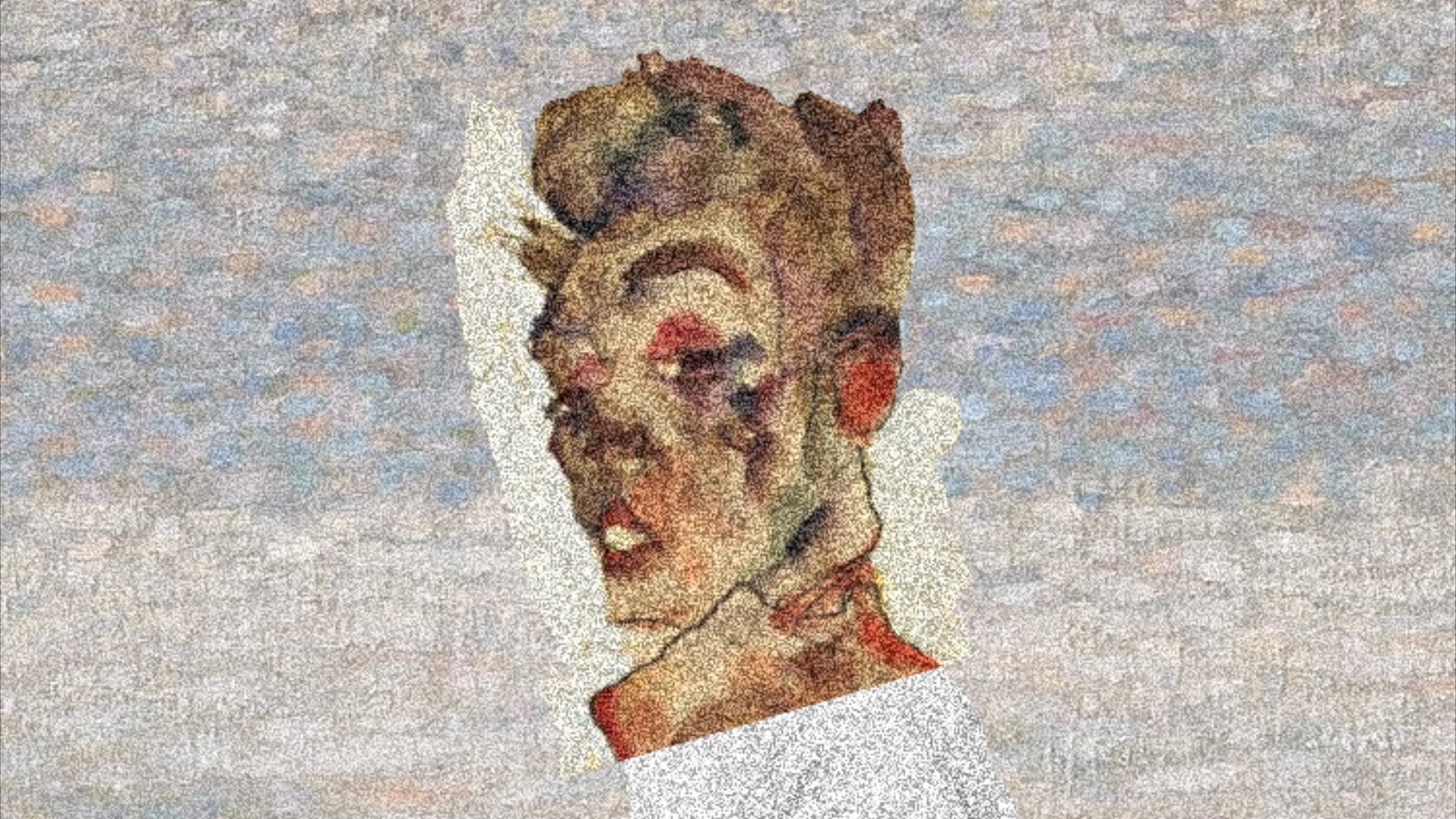
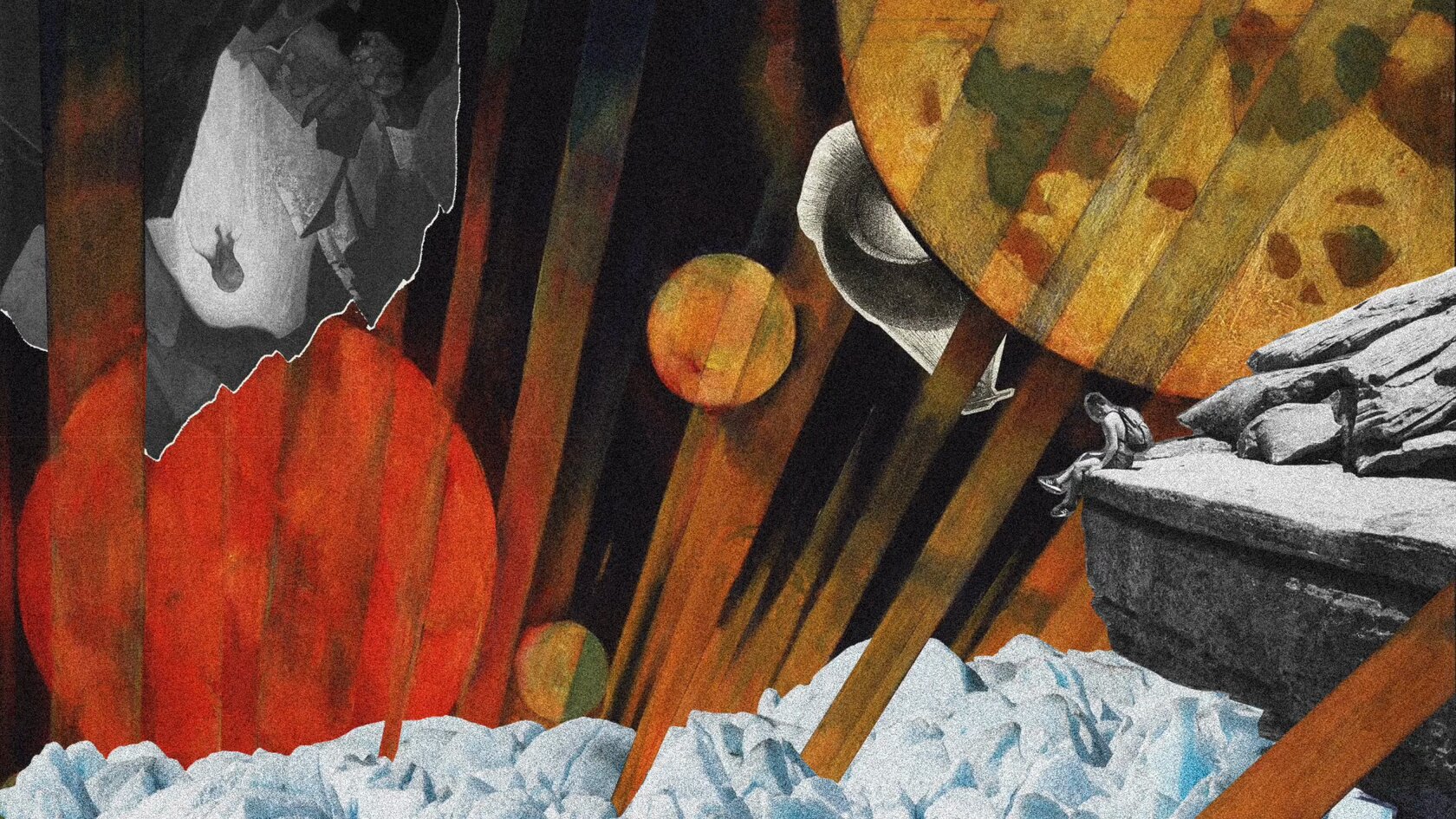
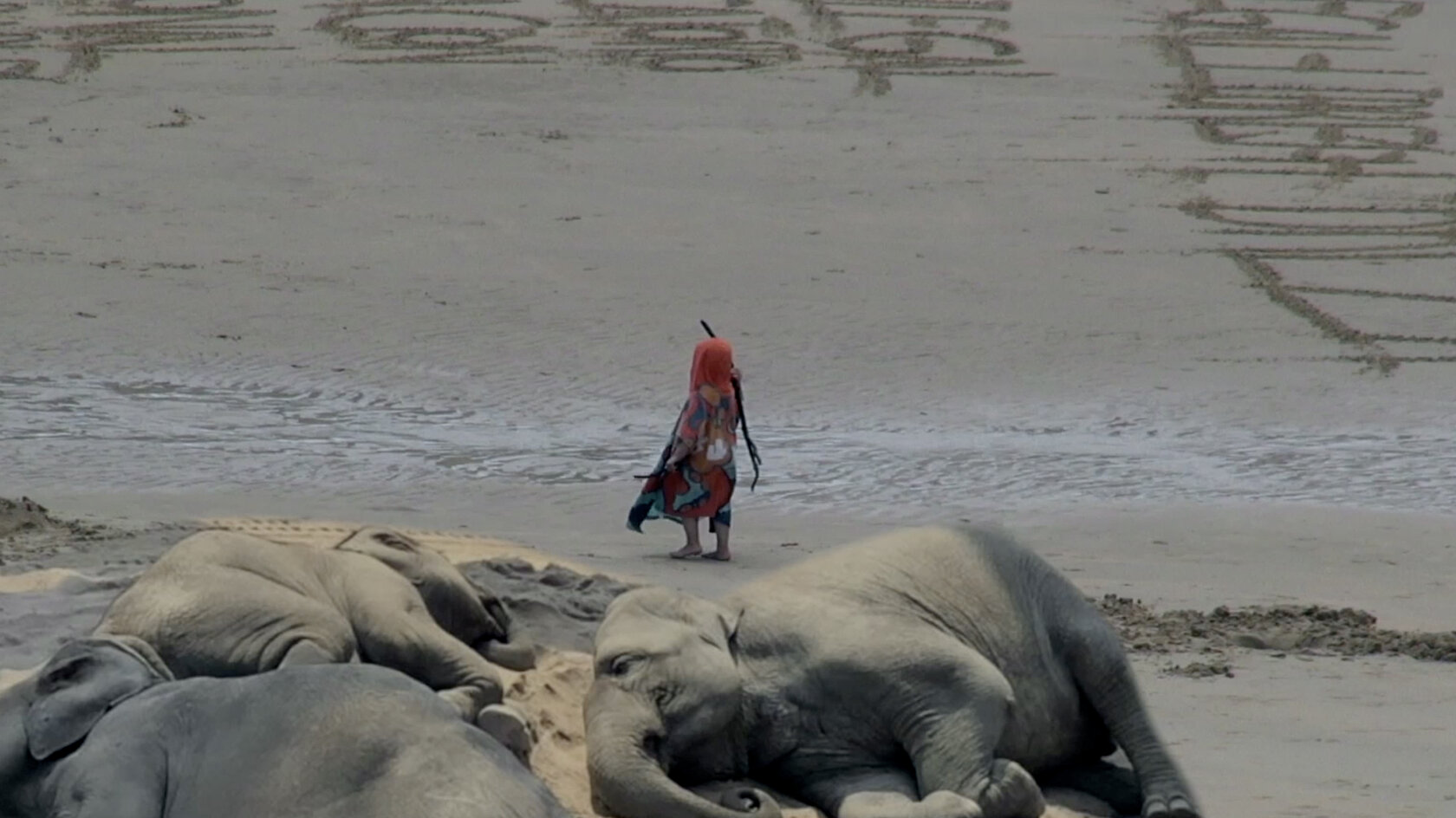
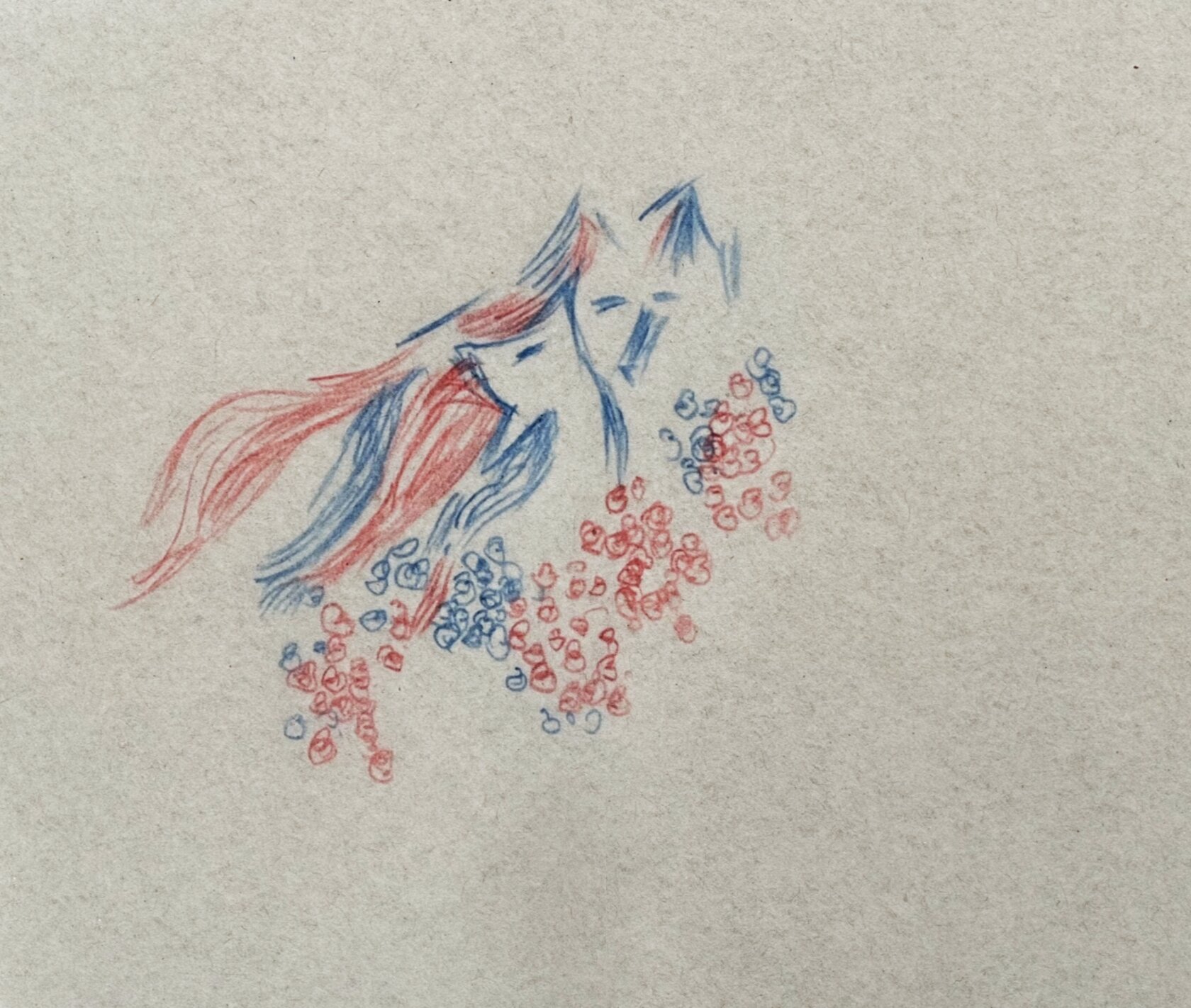
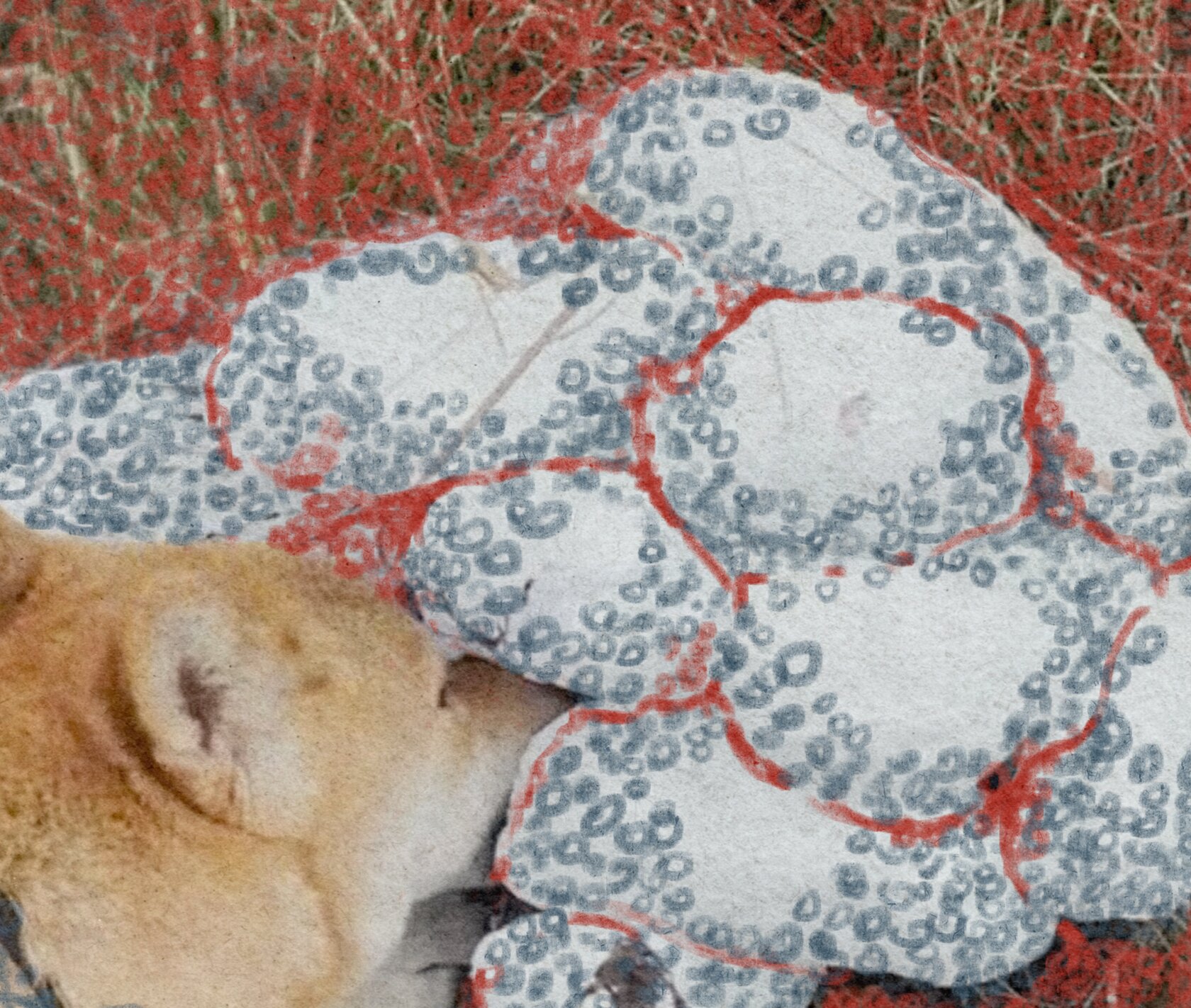
The voice draws on Nivkh beliefs of a world without boundaries — between the living and the dead, animal and spirit, human and other. The dog acts as a guide between these states. Statements based on ethnographic sources gradually shift into an imagined mythology, blurring the boundary between documentation and fiction. Part of the film was shot with a camera attached to the artist’s dog, allowing the animal’s movement to determine the movement of the image. Through repetition, pauses, and minimal sound, the film creates a space of continuous transformation, where familiar boundaries dissolve and the known gradually gives way to the unknown.
Bio: Yanina Chernykh is an artist working with video, animation, and painting. Her practice explores relationships between human and non-human beings through mythology, animism, and interactions between humans, animals, and the natural environment. A significant part of her work draws on the mythologies of Indigenous peoples. Her projects combine documentary and autobiographical material with fictional imagery, creating spaces in which the boundaries between reality and myth become unstable.
The artist spent her childhood in Pervouralsk city, known for its large industrial plants. Their emissions and warm air currents paint the sky above the city pink, and the rivers also appear pink. Green malachite, mined in the Ural Mountains, symbolizes the potential for happiness for workers from all over the world, who flocked to the Urals in hopes of finding work at the plants and achieving prosperity. These journeys are reminiscent of the adventures of Ellie, the heroine of “The Wizard of the Emerald City”. Like Ellie, Diana Kapizova embarks on her own journey to a wondrous, magical land on the border of Europe and Asia, tinged with green and pink.
Bio: Diana Kapizova is a multimedia artist working with video, performance and 3D graphics, and creating objects. Born in 1993 in Pervouralsk, she studied at the British Higher School of Art and Design. In her works, Diana creates worlds with a sensual, naive, childlike experience of the past and present; these worlds have a beginning and an end, and a courageous hero navigates their journey, undergoing internal and external metamorphoses. She won the Ruarts Foundation grant programme in 2022 and was a nominee for the 2022 Sergey Kuryokhin Prize.
“Dragonfly” is a story of an unnoticed sacrifice, whose consequences ripple through light, time, and the cosmos.
Bio: Arman Ayvazyan is a director, documentarian, and film editor. He studied directing at the Armenian State Pedagogical University and later enrolled at VGIK (Gerasimov Institute of Cinematography), where he spent five years specializing in documentary filmmaking. His student films, “The Gull” and “Stones”, achieved success and received multiple international awards. During the 2020 Nagorno-Karabakh war, he joined the Bars Media studio team as a war journalist, director, and cameraman, documenting the events of the conflict. Since 2023, Arman Ayvazyan has been teaching directing and editing at the Yerevan State Institute of Theatre and Cinema. His work is distinguished by deep observation, visual poetry, and unique directing and editing techniques.